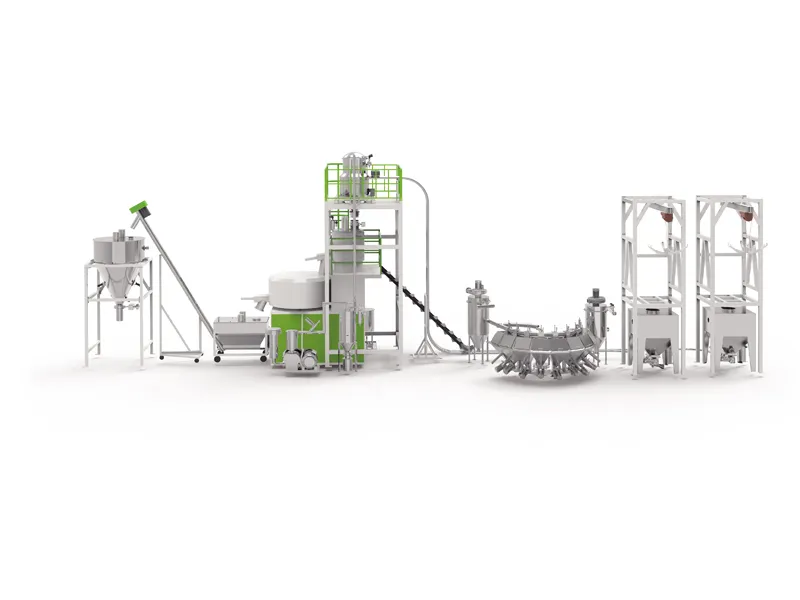
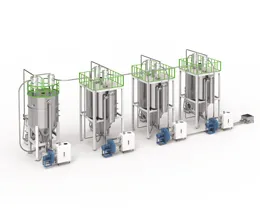
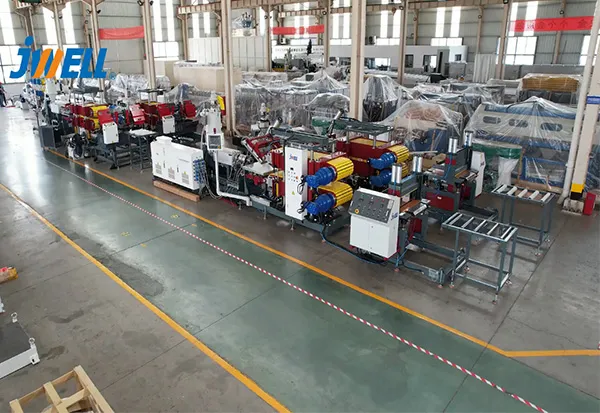
The PVC (polyvinyl chloride) centralized feeding system is an integrated automated system for raw material transportation, storage, metering, and management during the PVC product production process. It is widely used in the large-scale production of PVC products such as plastic pipes, profiles, sheets, films, and injection molded parts.
Its core function is to achieve efficient, clean, and precise supply of PVC raw materials (including resin powder, additives, and recycled materials) through centralized control and automated equipment. This replaces traditional manual batching or single-machine feeding methods, improving production efficiency and product quality stability.

The PVC centralized feeding system is suitable for large-scale, multi-variety PVC product production, such as:
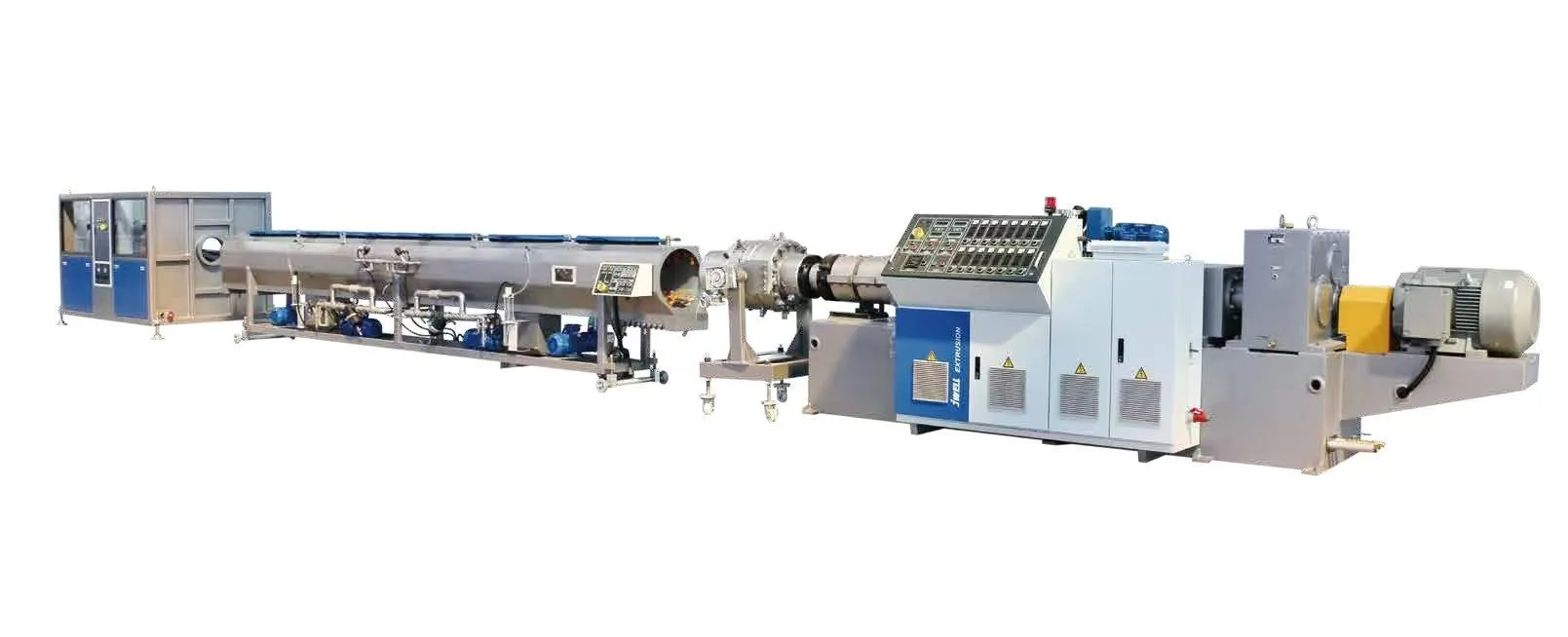
Plastic pipe/profile production lines (e.g., PVC drainage pipes, window frame profiles);
Injection molding product production (e.g., PVC pipe fittings, toys);
Film/sheet production (e.g., PVC packaging film, decorative sheets);
Cable materials, modified PVC materials, and other chemical applications.
Improved Production Efficiency: Automated material feeding reduces manual intervention, shortens changeover time, and can increase the efficiency of a single production line by 10%-30%.
Ensuring Raw Material Cleanliness: Enclosed conveying and storage prevents dust and moisture contamination of raw materials, improving product surface quality.
Precise Cost Control: Accurate metering reduces raw material waste, and formula management prevents human error, reducing raw material consumption per unit product.
Improved Work Environment: Reduces the labor intensity of manual raw material handling and lowers dust concentration in the workshop, complying with environmental and occupational health requirements.
Data Management: The control system records production data (such as raw material consumption and equipment operating hours) for easy production traceability and cost analysis.