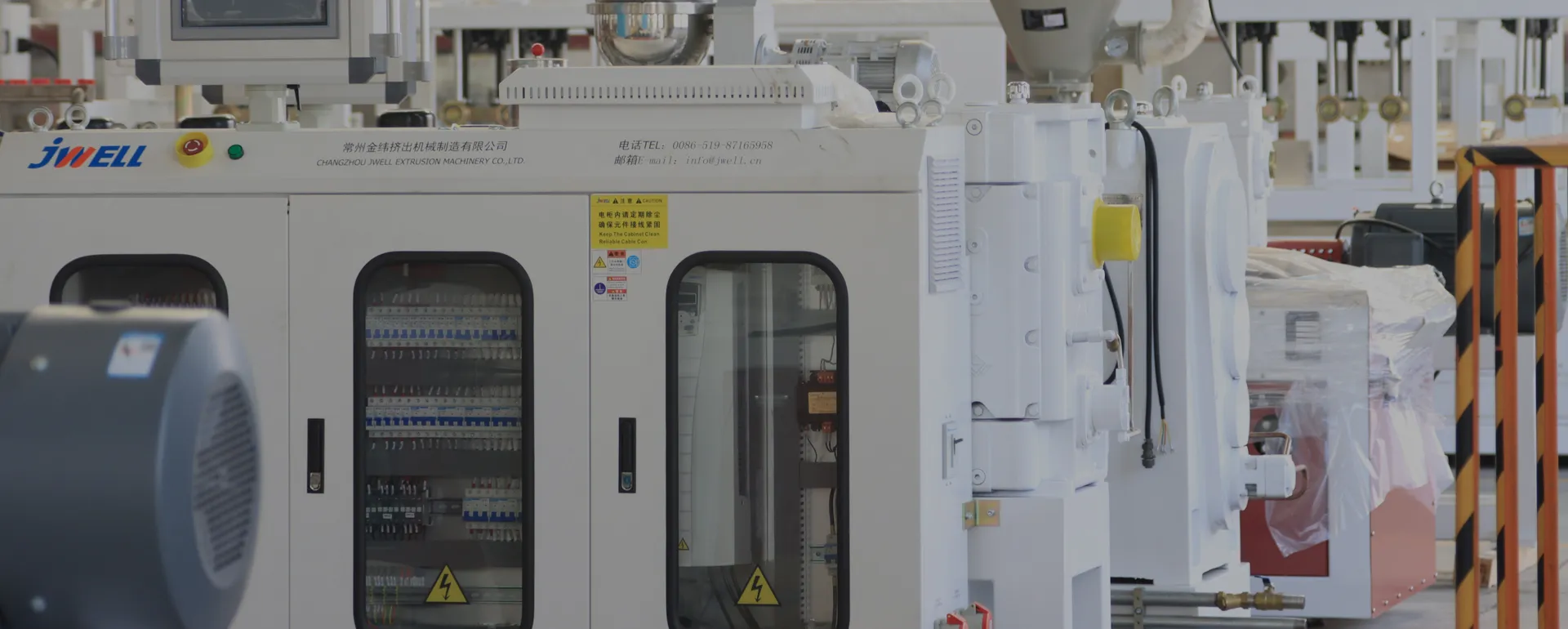
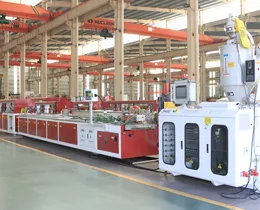
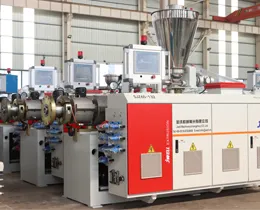
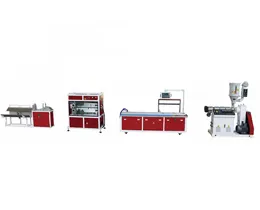
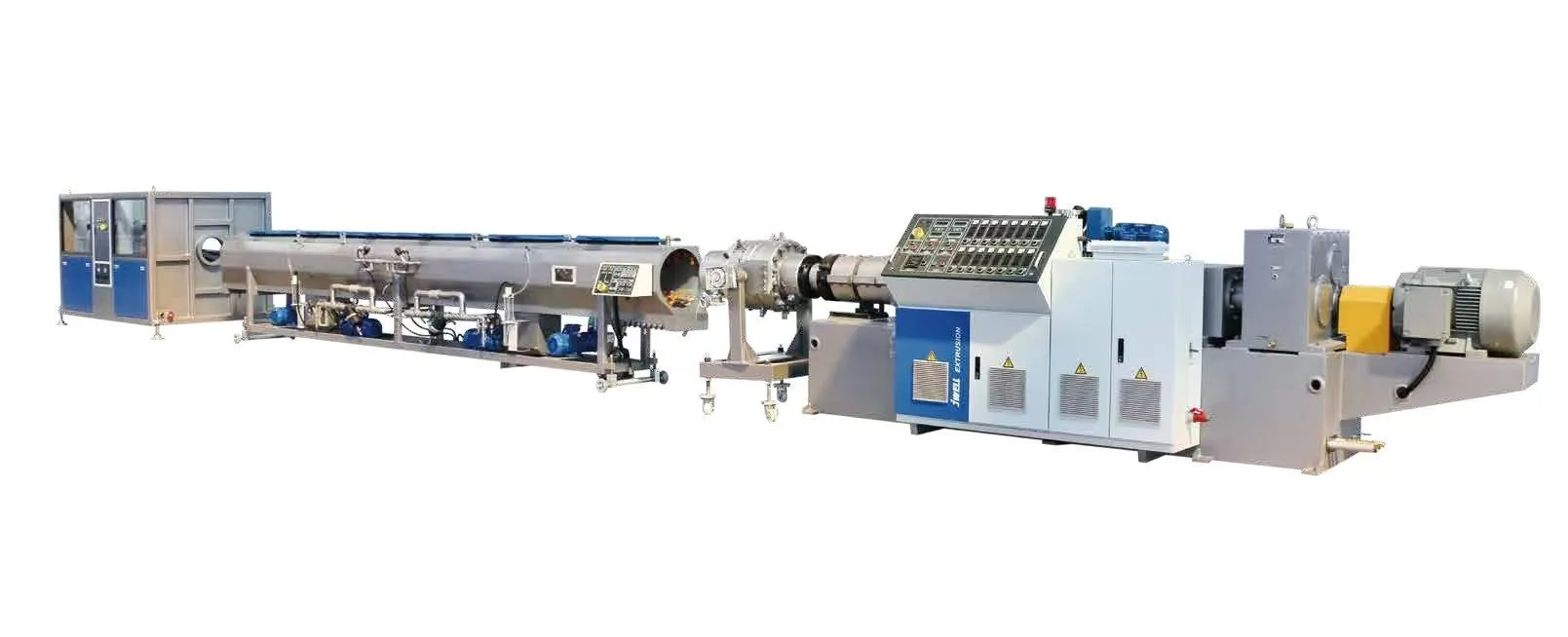
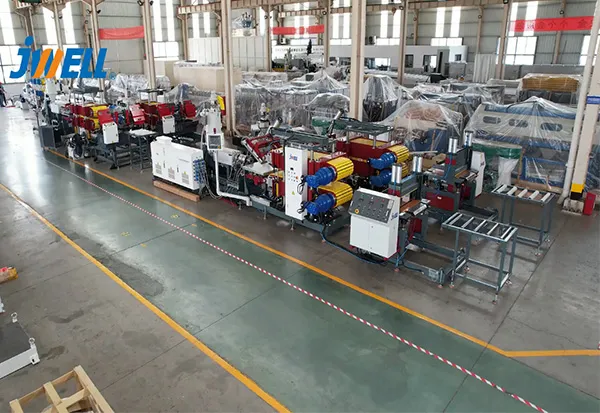
Jwell profile extrusion machine produces plastic profiles that are made primarily from high-molecular polymers (such as PVC, PP, PE, and ABS), supplemented with stabilizers, plasticizers, fillers, and other additives. These products are manufactured through processes like extrusion and injection molding. These products have a fixed cross-sectional shape (e.g., rectangular, circular, or irregular). They combine the inherent properties of plastic materials with their structural practicality, making them a commonly used building block in industries such as industry, construction, and home furnishings.

High Production Efficiency: Utilizing a continuous extrusion process, profiles can be produced in batches without interruption. A single production line can operate stably for extended periods, significantly increasing output per unit time and meeting the demands of large-scale industrial production.
High Molding Precision: The precision-designed screw, barrel, and mold ensure precise control of profile dimensions, wall thickness, cross-sectional shape, and other parameters, ensuring uniform product specifications and tight tolerances, meeting the stringent precision requirements of the construction and industrial sectors.
Strong Material Adaptability: Compatible with a variety of plastic raw materials (such as PVC, PP, PE, and ABS) and modified materials (such as reinforced, flame-retardant, and UV-resistant materials), this allows for the production of profiles with varying performance and cross-sectional structures (such as door and window profiles, pipes, and decorative moldings), offering high flexibility.
Low Energy Consumption and Controllable Costs: Compared to other molding processes such as injection molding, the extrusion process offers higher energy efficiency and relatively low equipment operation and maintenance costs. Furthermore, scrap generated during the production process can be recycled and reused, reducing material waste and lowering production costs. High degree of automation: Modern extruders are often equipped with automatic temperature control, variable frequency speed regulation, online detection and other systems, which can achieve precise control of production parameters and real-time monitoring of product quality, reduce manual intervention, and improve production stability and product qualification rate.
Plastic profiles (profiles with a certain cross-sectional shape made from high molecular polymers through extrusion, injection molding and other processes) are widely used in many fields due to their advantages such as strong weather resistance, high cost performance, flexible processing and low maintenance costs. They occupy an important position in scenarios such as construction, industry, home and municipal administration.