
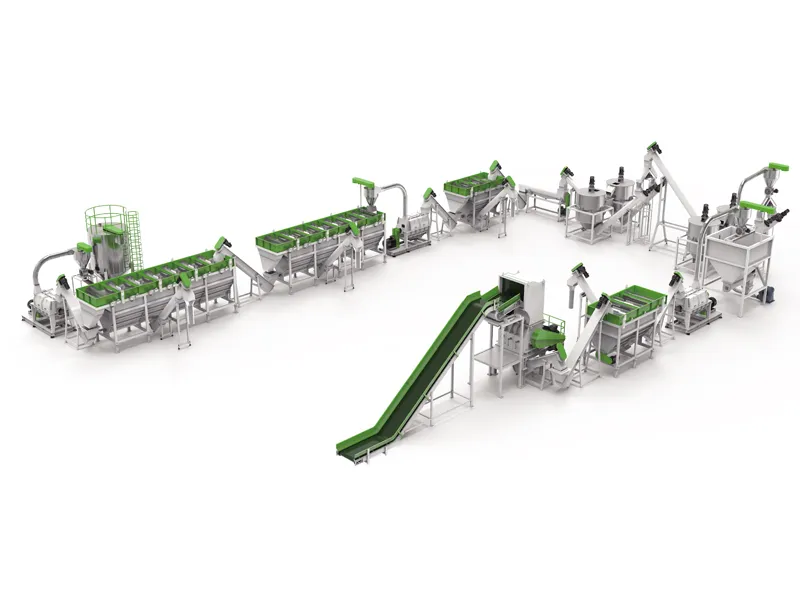
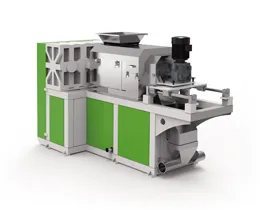
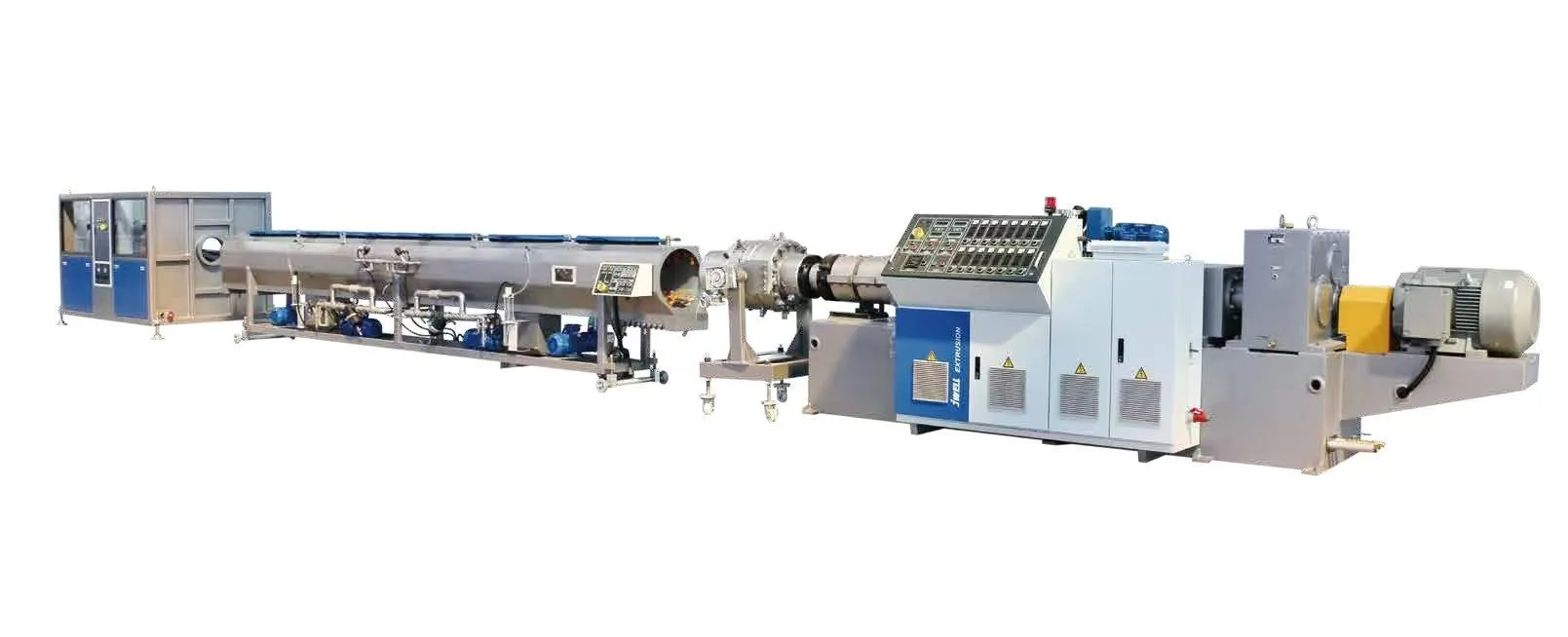
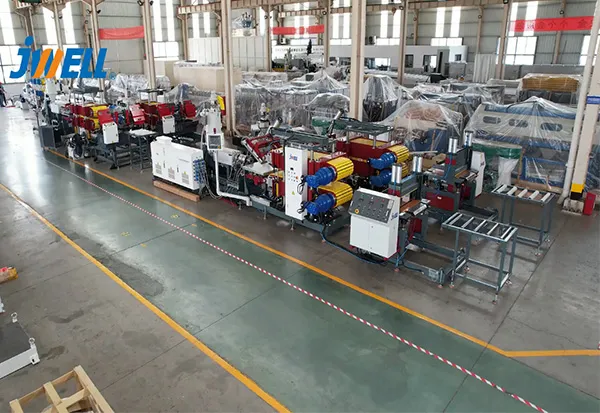

The plastic hard material washing line is a key equipment system in the field of plastic recycling and regeneration. It is mainly used to automatically clean, sort and purify various mixed hard plastic wastes (such as plastic bottles, plastic barrels, plastic fragments, plastic parts, etc.) to remove impurities (such as mud, oil, labels, metal, paper scraps, etc.) on the surface and inside of the waste, and finally obtain clean plastic raw materials, providing high-quality materials for subsequent granulation, reprocessing and other links.
Applicable Raw Materials
The plastic hard material cleaning line processes a variety of common hard plastics, primarily including:
Polyethylene terephthalate (PET): such as mineral water bottles, beverage bottles, and cooking oil bottles.
Polyethylene (PE): such as plastic barrels, film scraps (film components of hard material), plastic baskets, and hard edges of agricultural film.
Polypropylene (PP): such as plastic turnover boxes, bottle caps, plastic tableware, and plastic automotive parts.
Polyvinyl chloride (PVC): such as plastic pipes, sheet metal scraps, and plastic door and window scraps.
Other miscellaneous hard plastics: such as crushed and recycled engineering plastics like ABS and PS.
Core Functions and Applications
Impurity Removal: Through a multi-stage cleaning process, contaminants such as oil, dust, dirt, food residue, and printing ink are effectively removed from the plastic surface.
Sorting and Separation: Impurities such as metals (via magnetic separation), stones, paper, and labels are separated from plastics using physical or mechanical methods. Improved Raw Material Purity: Plastics processed through the washing line have significantly reduced impurity levels, meeting subsequent processing requirements for pelletizing and molding, thereby enhancing the quality and added value of recycled plastics.
Automated Processing: Reduces manual intervention, improves production efficiency, reduces labor intensity, and enables large-scale, continuous production.
Customized Design: Customizable configurations can be tailored to the type of raw material, impurity characteristics, and production volume requirements, allowing for flexible adjustment of equipment combinations and process parameters.
Efficient Cleaning: A combination of physical friction, chemical cleaning, and temperature control ensures effective impurity removal and meets diverse purity requirements.
Energy and Water Conservation: Some advanced production lines utilize a water recycling system to reduce water consumption; the drying process utilizes a high-efficiency heating method to reduce energy consumption.
Environmental Compliance: Equipped with wastewater treatment equipment (such as sedimentation tanks and filtration systems), the cleaning wastewater is treated for recycling or discharge to meet standards, reducing environmental pollution.