Plastic waste management has become a critical focus for industries and municipalities around the world. As the demand for sustainable solutions grows, machinery that enables efficient recycling is more important than ever. A plastic crusher is a fundamental piece of equipment in this process, allowing facilities to transform large plastic scraps into reusable materials.
Whether you operate a recycling plant, a manufacturing facility, or a small-scale plastic processing workshop, understanding the capabilities and benefits of a plastic crusher can help optimize your operations and reduce waste effectively.
What Is a Plastic Crusher and How Does It Work?
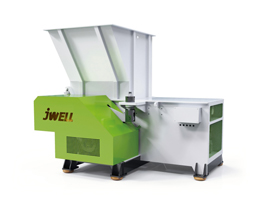
A plastic crusher is a mechanical machine designed to break down plastic products, sheets, bottles, or scraps into smaller, more manageable pieces. These crushed fragments are easier to transport, store, and feed into other recycling or extrusion equipment.
The basic working principle involves feeding plastic materials into a crushing chamber equipped with high-speed rotating blades. These blades shred the plastic into smaller particles. The size of the crushed material can often be adjusted using different screen sizes at the machine's discharge.
Key components of a plastic crusher include:
· Hopper: Feeds plastic materials into the crushing chamber.
· Rotating blades: Shred plastics efficiently.
· Screen: Controls the final particle size.
· Motor and gearbox: Drive the crushing mechanism.
Modern crushers can handle a variety of plastics, from soft films to hard PVC and PET, making them versatile tools in the recycling workflow.
Benefits of Using a Plastic Crusher in Recycling
Investing in a plastic crusher offers several advantages for businesses focused on recycling and sustainability:
1. Space Efficiency
Crushed plastic takes up less space than whole bottles, sheets, or containers. This reduction in volume allows for easier storage and transportation, lowering logistic costs.
2. Improved Processing Speed
By breaking down plastic into uniform particles, a plastic crusher ensures that downstream machines, such as extruders or pelletizers, operate more efficiently without clogging or downtime.
3. Cost-Effective Recycling
Recycling crushed plastics reduces the need for raw materials, which can significantly lower production costs. Additionally, properly processed plastics can often be sold to other manufacturers as high-quality recycled material.
4. Versatility
Most modern plastic crushers can process multiple types of plastic, including PET, PE, PP, and PVC. This adaptability makes them suitable for both industrial and small-scale recycling operations.
5. Environmental Impact
By enabling efficient recycling, plastic crushers help reduce landfill waste and support sustainable manufacturing practices. Facilities using these machines contribute to the circular economy by turning discarded plastics into valuable raw materials.
Selecting the Right Plastic Crusher
When choosing a plastic crusher, consider the following factors:
· Material type: Ensure the crusher is compatible with the plastics you intend to process.
· Capacity: Match the machine’s throughput to your operational scale.
· Screen size options: Flexibility in output particle size is critical for downstream processes.
· Safety features: Machines should include overload protection, emergency stop buttons, and enclosed housings.
· Maintenance: Easy blade replacement and cleaning reduce downtime and extend the machine’s lifespan.
Leading manufacturers offer machines with varying capacities and blade configurations to suit different recycling needs, from small workshops to large industrial facilities.
Conclusion
A plastic crusher is more than just a machine—it’s a vital tool for sustainable plastic management. Its ability to reduce waste volume, improve processing efficiency, and support recycling initiatives makes it an essential investment for businesses in the plastic industry. By selecting the right equipment and integrating it into your recycling workflow, you can achieve both environmental and economic benefits.
FAQs about the Plastic Crusher
1. What types of plastics can a plastic crusher handle?
Most crushers can process PET, PE, PP, PVC, and other common plastics, depending on the blade configuration.
2. Can the crushed plastic be used directly for manufacturing?
Yes, crushed plastic can often be used as raw material for extrusion, injection molding, or pelletizing.
3. How do I choose the right screen size for my plastic crusher?
The screen size should match your downstream processing needs; smaller screens produce finer particles, while larger screens produce coarser output.
4. Is a plastic crusher suitable for small-scale recycling operations?
Yes, many compact crushers are designed for workshops or small facilities while maintaining efficiency and safety.
5. How does a plastic crusher contribute to sustainability?
By converting plastic waste into reusable materials, crushers reduce landfill burden, conserve resources, and promote circular economy practices.

 English