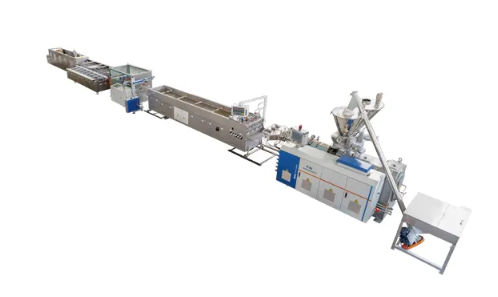
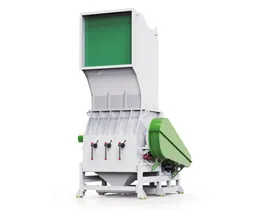
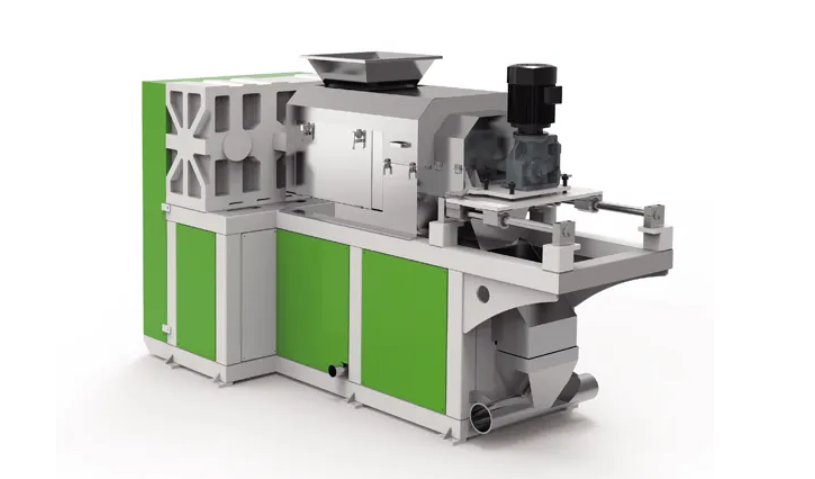
I. Core Positioning of a Plastic Extruder
A plastic extruder is a core piece of equipment in the plastic molding and processing field. It’s core function is to process solid plastic raw materials (granules, powders, etc.) into plastic products with fixed cross-sectional shapes through a continuous process of "heating and melting—extrusion shaping—cooling and solidification." It is an indispensable basic equipment in the plastic processing industry. As a leading domestic manufacturer of plastic extrusion equipment, JWELL Machinery has been deeply involved in this field for over 30 years. Its extrusion equipment covers all scenarios and has become a benchmark for equipment quality and technological strength in the industry. Next, I will use JWELL equipment to comprehensively analyze the core components, structure, working principle, and applications of plastic extruders, focusing on the equipment itself to help everyone thoroughly understand plastic extruders.
II. Core Definition: The Essential Nature of a Plastic Extruder
From an equipment attribute perspective, a plastic extruder is a continuous molding device. Its core components revolve around the three core functions of "plasticizing—extrusion—molding," with multiple precision parts working together to achieve efficient conversion of plastic raw materials into finished products. Unlike intermittent molding equipment (such as injection molding machines), the core advantage of extruders is "continuous production." Once started, they can continuously produce products with a fixed cross-section, such as pipes, sheets, and profiles. The stability, plasticizing efficiency, and molding precision of the equipment directly determine product quality and production efficiency.
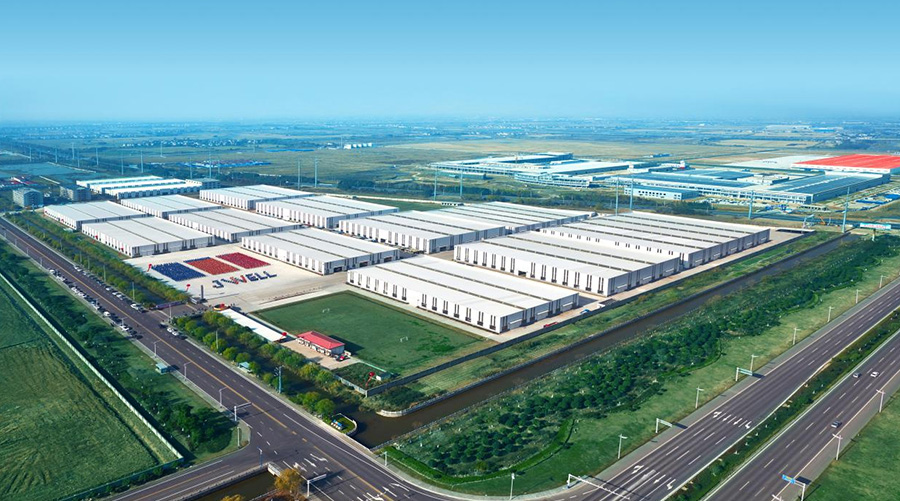
JWELL Machinery is one of the largest manufacturers of plastic extrusion equipment in China, with an annual production capacity of over 3,000 sets of high-end plastic extrusion production lines. Its equipment covers single-screw and twin-screw extruders, as well as various specialized extrusion production lines. With complete specifications and advanced technology, its products not only cover the domestic market but are also exported to more than 50 countries, making it the preferred equipment brand for many large plastic processing enterprises. The performance of its equipment also represents the current industry standard for plastic extruders.
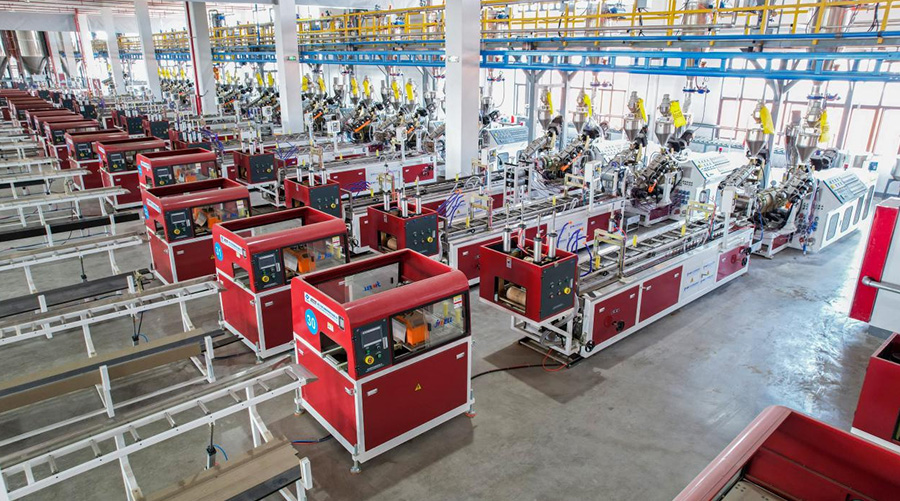
III. Core Structure: Equipment Components of a Plastic Extruder
The structure of a plastic extruder may seem complex, but its core components can be divided into five categories. The design and quality of each component directly affect the equipment's operational performance. We will analyze each component in detail, using the configuration of JWELL extruders, to provide a clear understanding of the core components:
(I) Feeding System: The Equipment's "Raw Material Supply Hub"
The core of the feeding system is the hopper, responsible for storing and stably conveying plastic raw materials, which is the foundation for continuous equipment operation. JWELL extruders feature a large-capacity hopper design, with some models equipped with an automatic feeding device. This device can adjust the feed rate in real time according to the equipment's operating speed, avoiding frequent manual feeding. Combined with a servo-driven feeding system, the feeding accuracy can reach ±1kg/h, effectively maintaining stable pressure inside the barrel and preventing material overflow or blockage. This makes it suitable for complex processing scenarios such as high-filling materials.
(II) Plasticizing System: The Equipment's "Core Heart" (Screw + Barrel)
The plasticizing system, composed of the screw and barrel, is the core of the extruder's raw material melting process. It directly determines the plasticizing efficiency and product uniformity, and is also the core advantage of JWELL equipment. 1. Screw: As the core component of the extruder, JWELL extruders adopt a modular design, equipped with a quick-change screw holder and an automatic positioning system, resulting in short changeover times. Screw components are compatible with all models of the JWELL brand, and special components such as variable pitch and reverse thread can be customized according to material characteristics. JWELL possesses several patented screw designs for different materials, such as a high-efficiency dehydration screw for PET recycling, which can reduce the moisture content of bottle flakes from 0.5% to 0.1%, reducing subsequent drying costs by 20%; and a low-shear screw, which reduces the damage of shear heat to the adhesive properties of hot melt adhesives, reducing the carbonization rate to 0.5%, solving a major industry pain point.
2. Barrel: Encased outside the screw, the barrel of the JWELL extruder serves as the "cavity" for heating and plasticizing the raw material. Made of high-quality 40Cr material and specially heat-treated, the barrel is wear-resistant and heat-resistant. Equipped with a multi-stage temperature control system, it precisely controls the temperature of each stage, preventing localized overheating that could lead to plastic degradation or underheating that could result in poor plasticization. Some models have a barrel volume 15% larger than comparable equipment, effectively increasing output.
(III) Molding System: The "Key to Shaping" (Die)
The core of the molding system is the die, whose shape directly determines the cross-sectional shape of the product, making it a crucial component for "shaping" the extruder. JWELL extruders are equipped with customized dies, covering various types including round tubular, flat, and irregular shapes, adapting to the production needs of different products such as pipes, films, and profiles. The inner wall of the die is entirely chrome-plated, and the melt cavity design is reasonable, resulting in dense and glossy extruded blanks. Combined with a high-power cooling system, it significantly improves the molding rate, ensuring a scratch-free product surface and meeting dimensional accuracy standards.
(IV) Temperature Control System: Ensuring Equipment Precision
The temperature control system is responsible for controlling the temperature of the barrel and die, which is crucial for ensuring plasticizing quality and product stability. JWELL extruders employ an intelligent temperature control system, paired with a Siemens PLC control system, enabling precise temperature regulation with an error within ±1℃. It also supports real-time monitoring and automatic adjustment to prevent temperature fluctuations from affecting product quality. Some high-end models are also equipped with the JWELL Intelligent Industrial Internet Platform, which can remotely monitor temperature parameters, provide early warnings of temperature anomalies, and improve equipment operational stability.
(V) Auxiliary Systems: Providing Efficient Support for the Equipment
Auxiliary systems include traction devices, cooling devices, and cutting devices, which are essential for continuous production. JWELL extruders feature a servo-driven high-precision traction device with a long effective track length to ensure non-slip production of thick-walled tubes; the cooling device uses a vacuum chamber design with densely distributed cooling pipes to achieve thorough cooling and shaping of the product; the cutting device uses planetary alloy blades, which are simple to operate, have a low failure rate, and are adaptable to the cutting needs of different product specifications. In addition, JWELL equipment is equipped with auxiliary components such as hydraulic screen changers and melt metering pumps to further improve production efficiency and product quality.
IV. Working Principle: JWELL Extruder Operation Flow
Based on the characteristics of JWELL extruders, the working process of a plastic extruder can be broken down into four core steps, operating fully automatically, highlighting the equipment's high efficiency and precision:
1. Feeding Stage: Plastic raw materials (granules or powder) are poured into the hopper of the JWELL extruder and precisely and stably conveyed into the barrel through a servo feeding system, avoiding uneven feeding that leads to poor plasticization.
2. Plasticization Stage: The barrel is heated by a multi-stage temperature control device, while the screw rotates at high speed (JWELL twin-screw models can reach a maximum speed of 800 rpm), generating shear heat. The combination of these two types of heat gradually melts the solid raw material, forming a uniform plastic melt. The modular screw design allows for more complete plasticization and higher efficiency.
3. Extrusion Stage: Molten plastic is continuously extruded by the screw and pushed to the die head. Through the customized die head's flow channels, it is shaped into a preform with the desired cross-sectional shape. JWELL's optimized die head design ensures a dense preform with a smooth surface.
4. Shaping Stage: The preform extruded from the die head enters the cooling device, where it is rapidly hardened through vacuum cooling and water spray cooling. It is then pulled by a traction device and cut by a cutting device to finally form a qualified finished plastic product. The entire process is continuous, and JWELL equipment increases output by 20% compared to traditional equipment.
V. Equipment Classification and JWELL's Core Models: Adapting to Different Processing Needs
Plastic extruders can be classified into different types based on their structure and application. JWELL Machinery, as a full-industry chain service provider, offers equipment covering various models to adapt to different processing scenarios. Core models include:
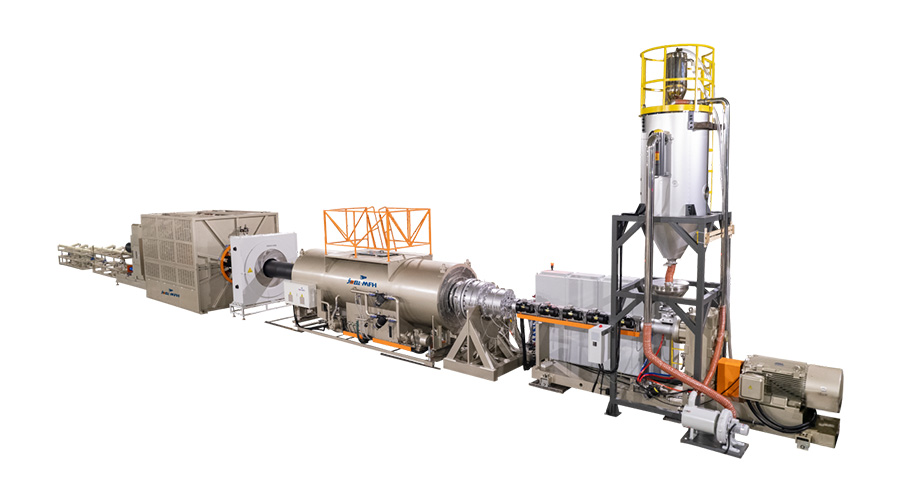
- Single-screw extruder: Suitable for processing common plastic raw materials such as PE, PP, and PVC. With a simple structure and convenient operation, it is widely used in pipe and profile production. JWELL's single-screw extruder uses a dedicated spiral structure screw and barrel, resulting in good plasticizing and mixing effects and stable output.
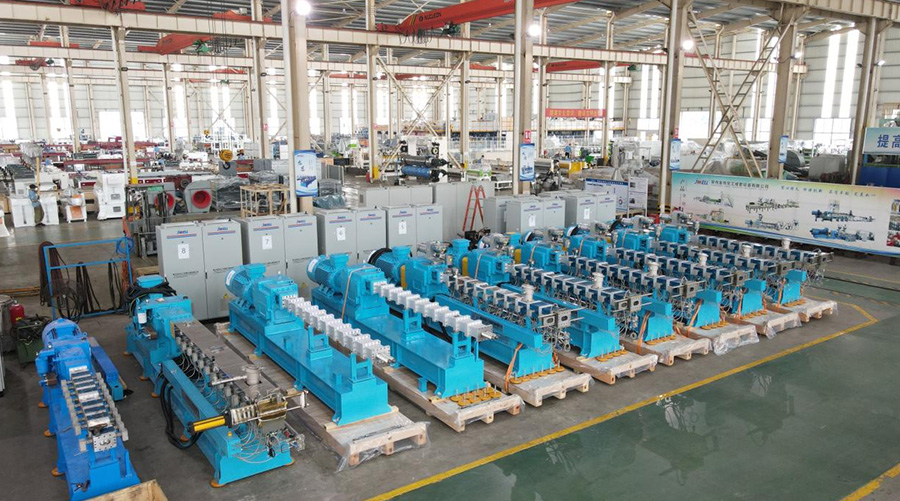
- Twin-screw extruder: Primarily suitable for processing complex materials such as highly filled, modified plastics, and recycled plastics. JWELL's twin-screw extruder is equipped with a permanent magnet synchronous motor and energy-saving frequency converter. The motor efficiency reaches 95%, with a specific power consumption of only 0.098 kWh/kg, resulting in significant energy savings. It also supports remote monitoring and fault warning, making it suitable for large-scale continuous production.
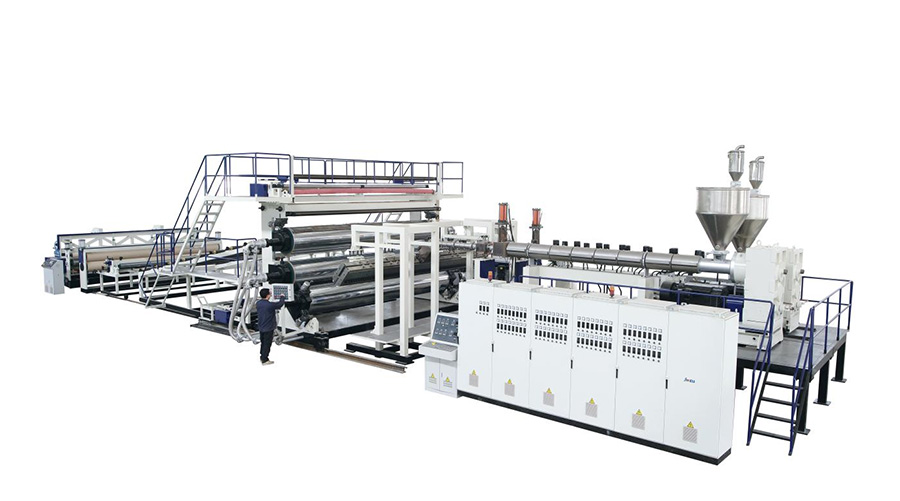
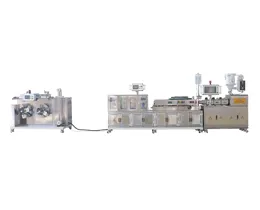
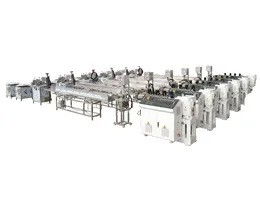
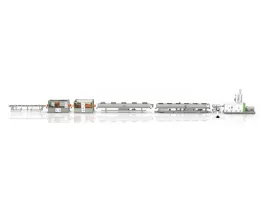
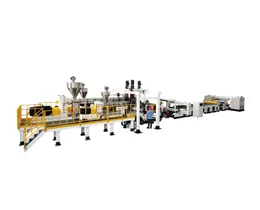
- Dedicated Extrusion Production Lines: JWELL offers a variety of dedicated production lines for different application scenarios, such as HDPE water supply pipe and gas pipe extrusion lines, PVC wood-plastic profile extrusion lines, PE, PP, and ABS sheet extrusion lines, and XPS extruded insulation board lines, covering multiple fields including construction, packaging, and new energy. Among them, the ABS core tube production line achieves energy savings of up to 35% and features a built-in exhaust system, reducing drying costs.
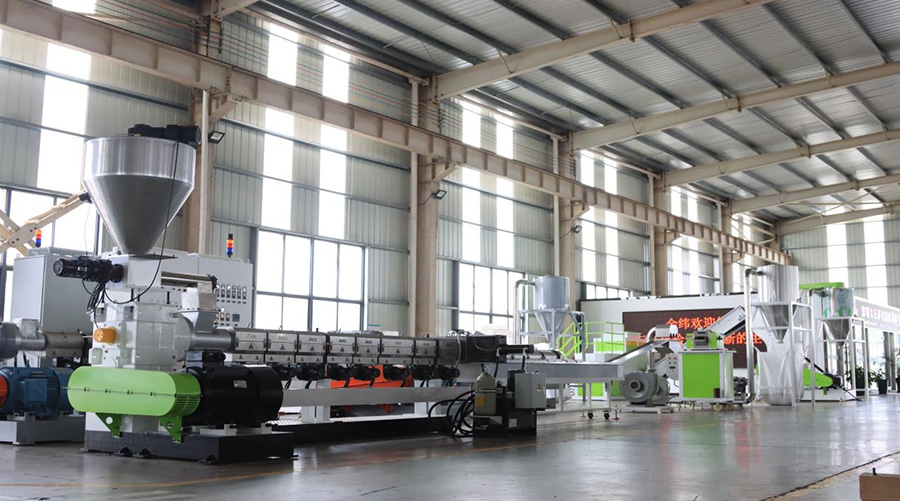
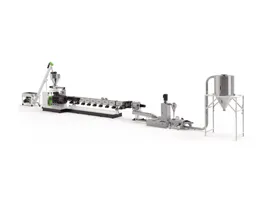
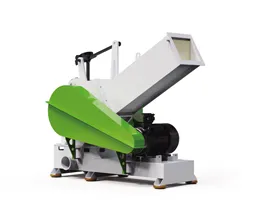
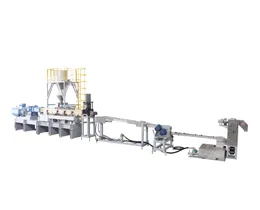
- Recycling Equipment Production Lines: In 2026, global plastic recycling policies entered a period of "rigid implementation," directly spurring an explosive demand for high-end recycling equipment. JWELL manufactures plastic crushers and shredders, recycling granulation line equipment, and automatic feeding systems. The equipment can match customer needs with different materials and various production capacities, achieving a perfect closed loop from waste plastics to recycled materials to high-end products.
VI. Conclusion: The Equipment Value of Plastic Extruders and JWELL's Advantages
In summary, a plastic extruder is a precision device with continuous plasticizing, extrusion, and molding as its core. Its performance depends primarily on the design and quality of core components such as the screw, barrel, die, and temperature control system. JWELL Machinery, a leading domestic manufacturer of plastic extrusion equipment, has leveraged over 30 years of technological accumulation to create high-precision, energy-efficient extrusion equipment covering all scenarios. From modular screw design to intelligent control systems, from dedicated production lines to core component support, it comprehensively meets the processing needs of diverse enterprises. Its equipment not only improves production efficiency and product quality but also helps companies reduce costs and increase efficiency.
For the plastics processing industry, choosing a high-quality extrusion machine is key to enhancing competitiveness. JWELL extruders' technological advantages and quality assurance have made them an industry benchmark, allowing us to more clearly see the core value of plastic extruders—empowering plastics processing with precision equipment and driving the industry towards intelligent, green, and efficient development.

 English